

Case Studies for Ascension Wheelchair Lifts: Historic Buildings
Historic buildings present a unique accessibility challenge: how do you make a space work for today’s visitors without losing the character that makes it worth preserving? Older buildings may have limited space, significant architectural features, and original materials that need to be protected. Accessibility solutions need to work within those constraints while minimizing their impact on the building.
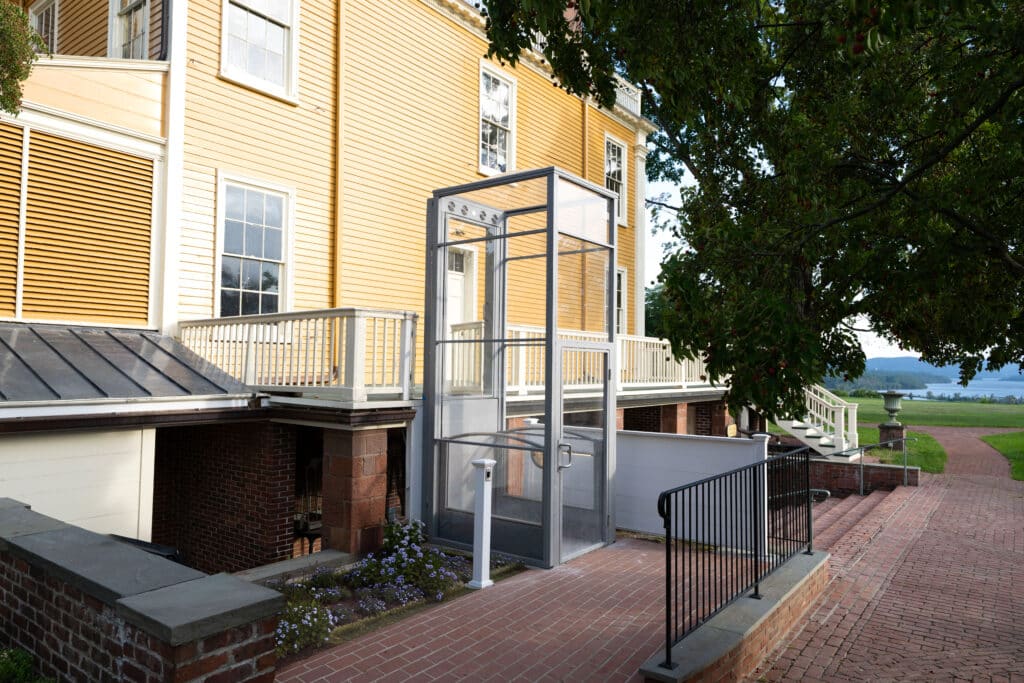
Preserve Historic Character
Accessibility improvements shouldn’t detract from the architecture people came to experience. Ascension wheelchair lifts can be customized with colors, finishes, and glazing that complement their surroundings and help them integrate into historic environments.
A lift can also have considerably less visual and physical impact than a ramp, particularly when greater vertical travel is required. See Ascension’s Return on Investment for a detailed comparison of the impact of ramps vs. lifts.
Make the Most of Limited Space
Historic buildings weren’t designed around today’s accessibility standards, and there may be little room to add an accessible route. The US National Park Service specifically recognizes platform lifts as an option when there is inadequate space for a ramp.
Under ADA Standards, a typical accessible ramp has a maximum running slope of 1:12. A 30-inch rise can therefore require approximately 30 feet of ramp run—before adding required landings.
Competing lifts often require ramps for access to the platform. Ascension lifts are engineered so no ramp is required, further reducing the space that is required.
Ascension lifts provide vertical access in a compact footprint, making them well suited to projects where inches can make a difference.
Most historic buildings are not exempt from providing accessibility, and with careful planning, historic properties can be made more accessible, so that all citizens can enjoy our Nation’s diverse heritage.
Preservation Brief 32: Making Historic Properties Accessible
Minimize Changes to the Building
Preserving historic architecture often means changing as little as possible. Excavating for a lift pit can disturb original floors and building foundations.
Ascension’s pit-less configurations can be installed on the finished floor, minimizing structural changes. Portable models offer another option when permanent installation isn’t desirable.
The National Park Service notes that platform lifts can require minimal space and, depending on the installation, can be removed without damaging historic materials.
Keep Historic Spaces Relevant and Accessible
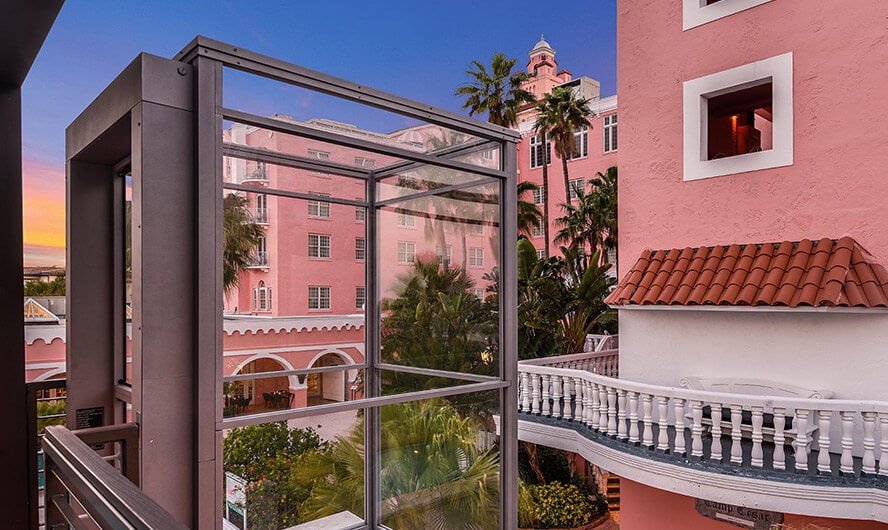 Accessibility is a key objective when you are renovating a historic property. Having a designation as a historic building does not automatically exempt a building from accessibility requirements. ADA guidance recognizes the unique constraints of historic properties, and platform lifts are specifically permitted as part of accessible routes in existing buildings in qualifying applications.
For architects and building owners, the goal is to find a solution that improves access while respecting what makes the property significant.
With a small footprint, pit-less and ramp-less installation options, portability, and extensive customization, Ascension wheelchair lifts help historic buildings welcome today’s visitors while preserving the history and character of the building for generations to come.
Our Partners in Historic Preservation


Related Case Studies
-
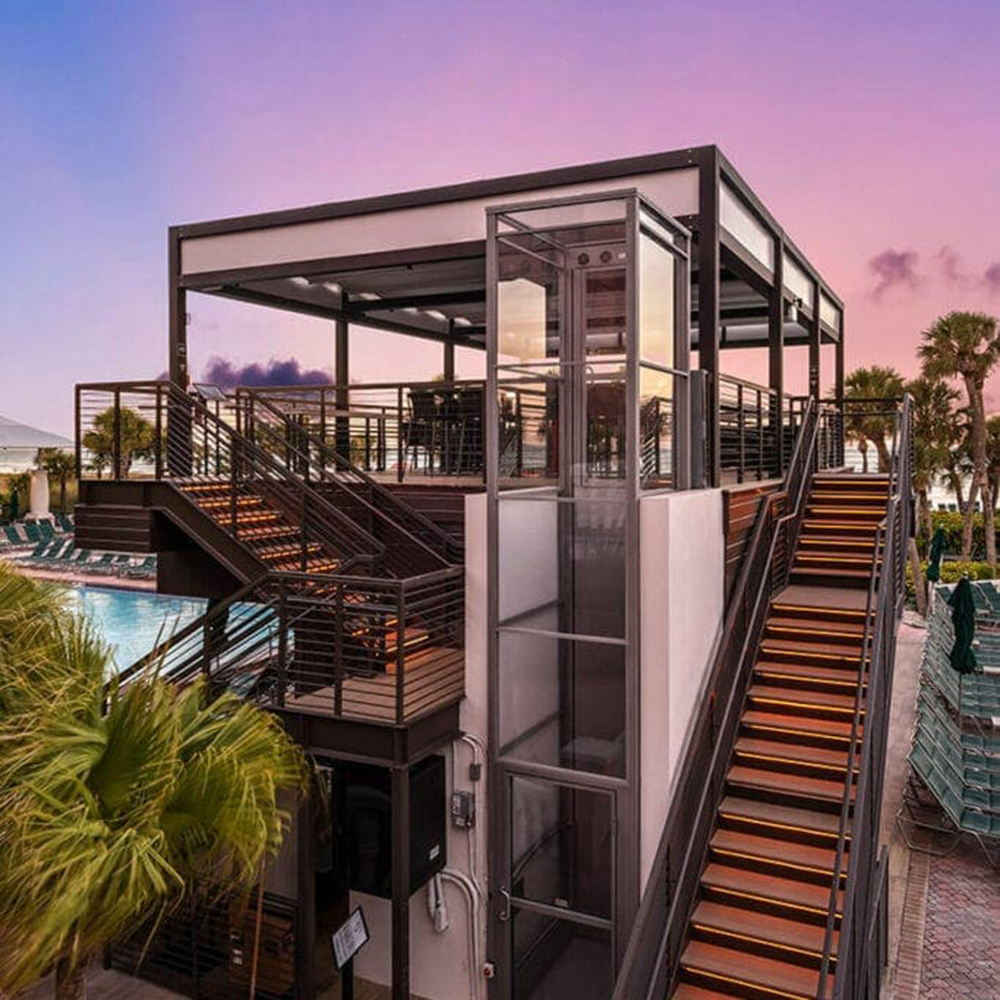
The Don CeSar
The Don CeSar, a luxury resort located on Florida’s St. Pete Beach, used an Ascension Clarity wheelchair lift to make a second-story poolside lounge ADA accessible.